Toronto Housing Market: A Shift Towards Rentals Amidst Sales Decline
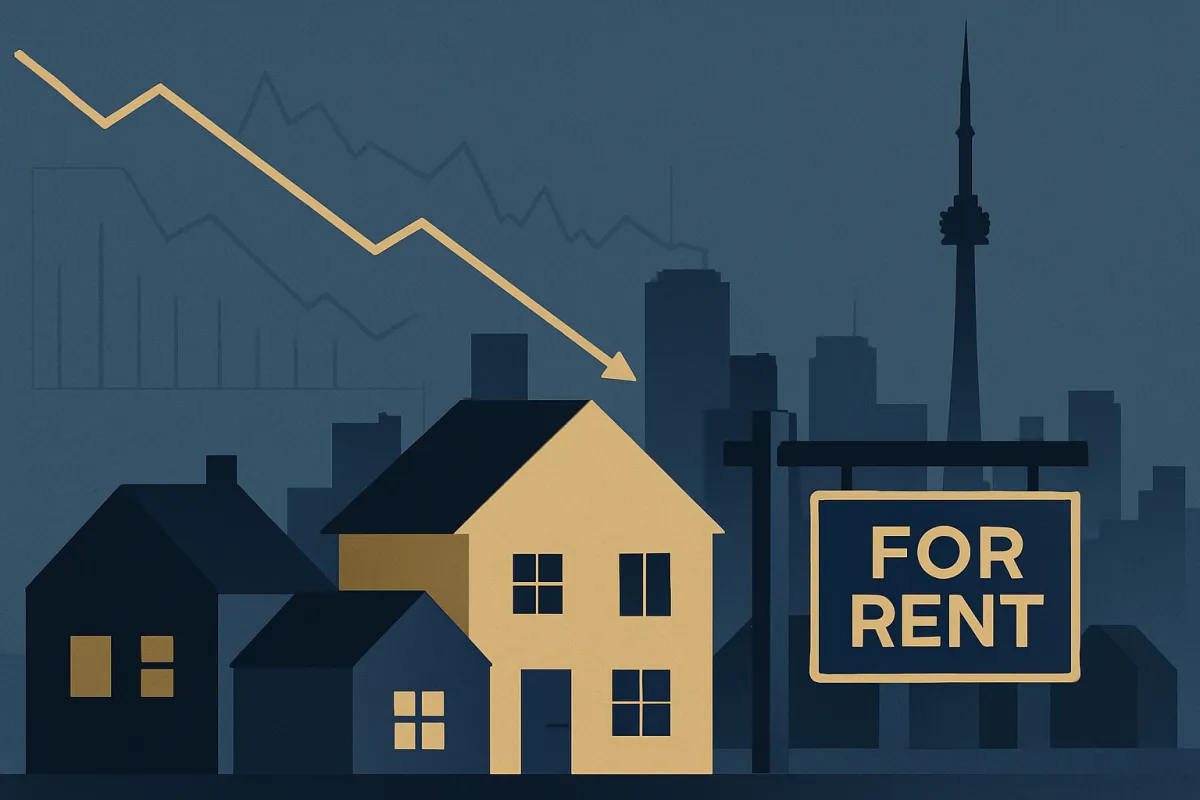
Toronto's housing market is seeing a notable shift as buyers are increasingly drawn to affordable rentals, causing a drop in sales.
📄 Read the transcript
What's moving in Toronto
The Toronto housing market is currently facing a significant transformation as more buyers are turning towards the rental market. A recent article from The Globe and Mail highlights that the influx of more affordable rental options is luring buyers away from purchasing property. This shift has been further accentuated by a 17 per cent drop in sales, which is alarming for those invested in the real estate market. For many, the prospect of owning a home has become less appealing when compared to the flexibility and lower upfront costs associated with renting.
"As rental prices become more manageable, buyers are reconsidering their options in a market that feels increasingly volatile."
Additionally, the luxury housing sector is experiencing a notable shift as demand spreads beyond traditional markets like Toronto and Vancouver. Wealth Professional reports that buyers are now looking to Alberta cities for luxury properties, indicating a diversification in preferences among high-end buyers. This trend suggests that the once unshakeable dominance of Toronto in the luxury market may be waning, as buyers seek value and opportunity elsewhere.
May saw home sales in Toronto drop by 5.1%, according to CBC. This decline came despite a national trend showing a 5.5% increase in home sales, which suggests that Toronto is facing unique challenges. With the Bank of Canada's recent stress-test rate set at 6.68%, potential buyers are finding it harder to qualify for mortgages, further constraining the market. The 5-year fixed mortgage rate is currently at 4.68%, which, while still relatively low, presents a barrier for many first-time buyers.
What it means locally
The tightening of the Toronto housing market is a double-edged sword. While some areas are seeing a surge in activity, particularly in the Greater Toronto Area (GTA), the overall sentiment is one of caution. The News International reports a rise in home sales within the GTA, but this is juxtaposed against the backdrop of declining sales in Toronto itself, raising questions about the sustainability of the current market dynamics.
The ongoing uncertainty is compounded by reports of scams and a potential meltdown in the condo market, as highlighted by Fathom Journal and the Financial Post. Some condos are reportedly selling for less than prices seen back in 2017. This raises concerns about the long-term viability of investments made during the height of the market's previous boom.
"The condo market is still searching for a floor, and buyers need to tread carefully in this uncertain environment."
What’s compelling is that despite the challenges, there appears to be some positive momentum, as indicated by CREA. The organization anticipates that the housing market may begin to stabilize, but it remains to be seen how long this will take and what form it will take. With the 5-year variable mortgage rate currently at 3.55%, buyers should carefully assess their options, weigh their financial situations, and consider whether locking in a fixed rate now may be a prudent decision.
In conclusion, the Toronto housing market is navigating a complex landscape, driven by shifting buyer preferences, economic pressures, and changing market dynamics. As we move further into 2026, it will be crucial for both buyers and sellers to stay informed and adapt to the evolving conditions of this vibrant market.