Canada's Housing Market: Rates, Trends, and Regional Insights
 By Susan Caldwell · July 7, 2026
An in-depth look at today's mortgage rates, housing market trends, and regional performance across Canada.
Rates today
As of July 7, 2026, the Canadian mortgage landscape presents a mix of opportunities and challenges for buyers, sellers, and investors. The current rates indicate that a 5-year fixed mortgage is sitting at 4.71%, while the 3-year fixed rate is slightly lower at 4.56%. On the variable side, the 5-year variable rate is at 3.55%, with the prime rate established at 4.45%. For those looking to qualify for a mortgage, the stress-test rate stands at 6.71%. This snapshot is crucial for anyone contemplating a move in the housing market.
The spread between fixed and variable rates is noteworthy. Borrowers must weigh the stability of fixed rates against the potential savings offered by variable rates. While the 5-year variable rate of 3.55% is significantly lower than the fixed rates, it comes with the risk of fluctuating payments as the Bank of Canada adjusts its policy rate. This decision depends on an individual's risk tolerance and financial situation. For those who prefer predictability, the fixed rates may be more appealing, despite their higher cost.
"Understanding the nuances of current rates can make a significant difference in your mortgage strategy."
As we dissect the current rates, it's essential to consider the broader economic context. Fixed rates are influenced by the Government of Canada (GoC) bond yields, which act as a benchmark for lenders. The 5-year GoC yield is currently at 3.06%, while the 3-year yield stands at 2.86%. These yields suggest a cautious optimism in the market, as they reflect investor sentiment about future economic conditions.
In summary, today's rates reflect a complex interplay of factors that borrowers must navigate. Whether one opts for a fixed or variable rate, understanding the implications of these choices is vital. With the current economic climate characterized by uncertainty, potential borrowers should consult with mortgage professionals to determine the best course of action for their individual circumstances.
Bank of Canada & bond yields
The Bank of Canada (BoC) continues to play a pivotal role in shaping the mortgage landscape. Its monetary policy decisions directly impact interest rates, which in turn influence the cost of borrowing. With the GoC 5-year yield at 3.06% and the 3-year yield at 2.86%, we see a clear link between bond yields and mortgage pricing. Generally, as bond yields rise, so too do fixed mortgage rates, as lenders seek to maintain their profit margins.
The current bond yields suggest that fixed mortgage rates might remain elevated in the near term. The BoC has indicated that it may adjust its policy in response to inflationary pressures, particularly in light of global economic events such as the ongoing conflict in Iran, which has introduced uncertainty into the market. This geopolitical situation has affected business confidence and, consequently, price expectations in Canada.
"The interplay between bond yields and mortgage rates is a vital aspect of understanding the borrowing landscape."
For borrowers considering fixed-rate mortgages, the implications of these bond yields are significant. If the BoC decides to increase its key policy rate in response to inflation, we could see fixed mortgage rates climb even higher. Conversely, if the economic situation stabilizes, rates may hold steady or even decrease, providing a more favourable environment for potential homebuyers.
Ultimately, the relationship between the Bank of Canada, bond yields, and mortgage rates underscores the importance of staying informed about economic indicators. Borrowers should remain vigilant and consult with financial advisors to make strategic decisions based on the evolving economic landscape.
Housing market
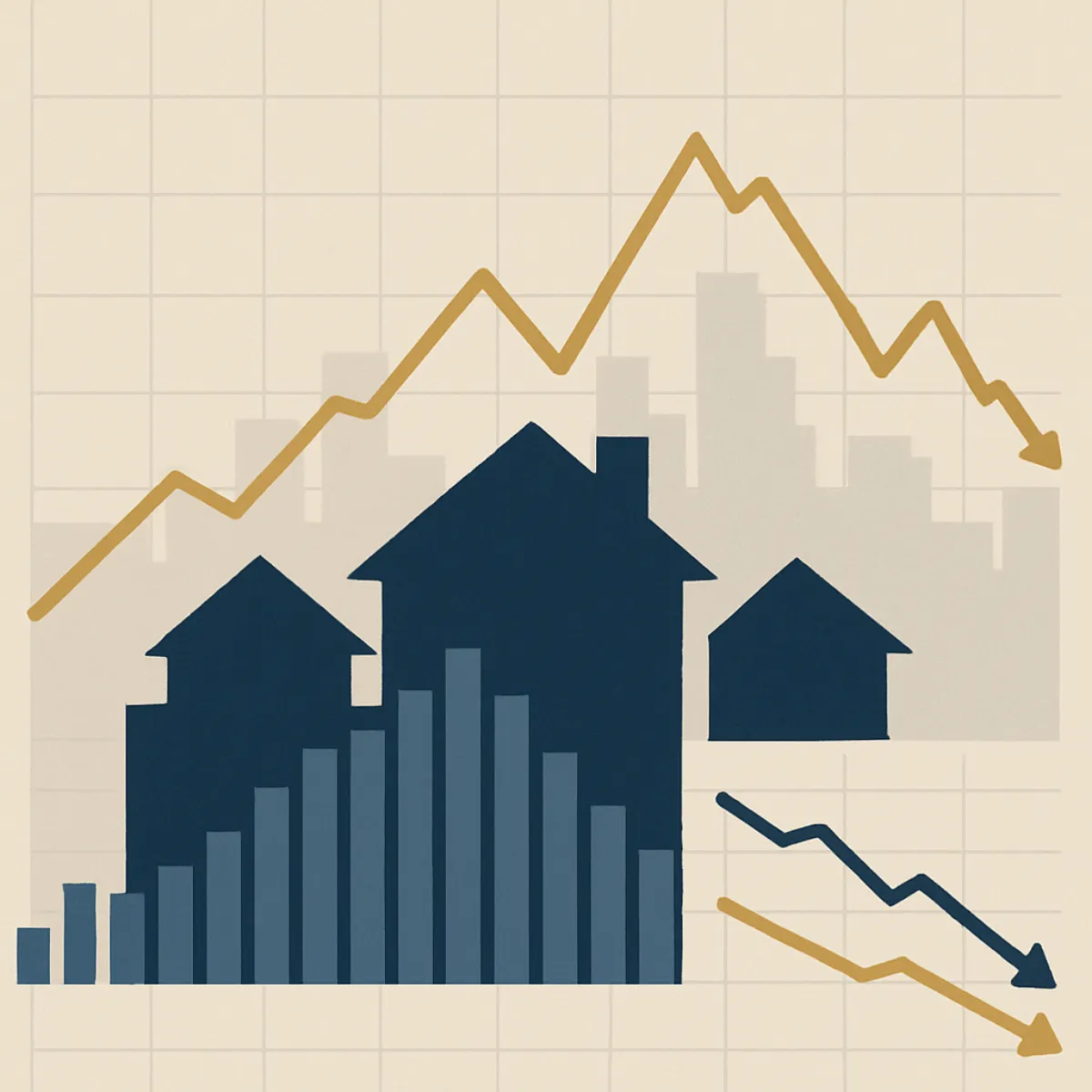
The Canadian housing market is at a critical juncture, with recent reports indicating that the correction in real estate prices is now the largest in history. This correction reflects a broader trend of cooling in the market, as evidenced by the data from June. While some regions are experiencing price drops and increased listings, others are defying the trend with rising sales and prices.
In Toronto, for instance, home sales have surged, yet condo prices are experiencing a downturn. This divergence highlights the complexities within the market, where demand for single-family homes continues to outpace that for condos. The dynamics at play suggest that buyers are gravitating toward spaces that offer more room and flexibility, particularly as remote work remains prevalent.
Meanwhile, in Montreal, home sales have declined by 8% in June, with listings continuing to rise. This trend may indicate a shift in buyer sentiment or a market correction as inventory levels increase. The challenge for sellers in this environment is to price their homes competitively while navigating a landscape characterized by rising supply.
Across Canada, the housing market is grappling with various challenges, including rising interest rates and economic uncertainty. The Bank of Canada's recent comments regarding inflation and its potential impact on interest rates are causing many potential buyers to hesitate. As a result, the market may continue to see fluctuations in both sales and prices.
Overall, the current snapshot of the housing market reveals a landscape marked by contrasts. While some areas are thriving, others are experiencing significant corrections. For those looking to buy or sell, understanding these nuances is essential for making informed decisions.
Regional roundup
Turning our attention to regional markets across Canada, we see a diverse array of trends affecting buyers and sellers alike.
In British Columbia, the new replacement George Massey Tunnel is projected to cost $8.5 billion. This investment may bolster local economies and infrastructure but also raises questions about affordability in the region. Additionally, Metro Vancouver is facing escalating job action, which could further impact the local housing market as workers seek stability.
Alberta's housing market is also experiencing fluctuations. Reports indicate that certain home types in Calgary are witnessing significant price declines, suggesting an adjustment in buyer preferences or market saturation in specific segments. Meanwhile, Cochrane has bucked the trend with house prices climbing for the fifth straight month, indicating a robust demand in that area.
In Ontario, Toronto's home sales are way up, indicating a resurgence in buyer activity despite the downward pressure on condo prices. This could signify a shift in demand as buyers seek larger living spaces. In contrast, the broader Ontario market may feel the effects of the larger correction, as overall sales and price growth slow.
Quebec's Montreal area is seeing a downturn in home sales, with an 8% drop in June as listings continue to rise. This trend may reflect a cooling market as buyers become more discerning amidst increased inventory. The real estate board's insights will be crucial for understanding the region's next steps.
What it means for buyers, sellers & brokers
For buyers, the current mortgage rates present both challenges and opportunities. With fixed rates at historically high levels, potential homebuyers may want to consider the variable rate option, especially given its current lower rate of 3.55%. However, it’s essential to weigh the risks of potential rate hikes against the savings offered by a variable mortgage.
Sellers, on the other hand, must navigate a complex landscape. The largest correction in real estate history means that pricing strategies are more critical than ever. Sellers should be prepared to adjust their expectations and work closely with their agents to set competitive prices that attract buyers in a cooling market.
For brokers, this environment presents both challenges and opportunities. Staying informed about the latest trends and rates is crucial for advising clients effectively. Brokers should also be proactive in marketing properties and educating clients about the changing dynamics of the market.
In summary, the current state of the Canadian housing market is a mixed bag for all parties involved. Buyers, sellers, and brokers alike must stay alert and adaptable as they navigate this shifting landscape.
⚡ Takeaways
- ›Current mortgage rates are at a critical juncture, with significant implications for buyers and sellers.
- ›The Bank of Canada's policies and bond yields will influence future mortgage pricing.
- ›Regional variations in the housing market require tailored strategies for buyers, sellers, and brokers.